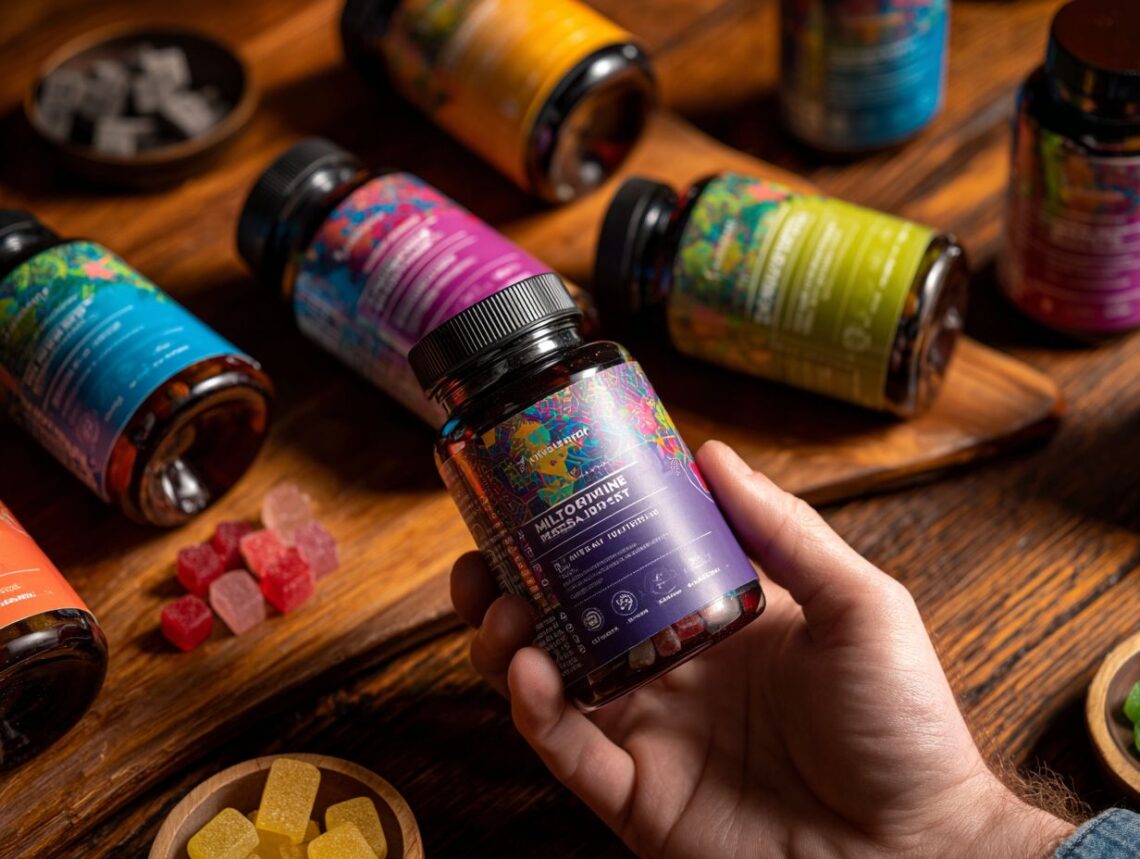
Ever stood in the supplement aisle, squinting at a bottle of melatonin gummies, wondering what all those labels really mean? I’ve been there! With so many options-sugar-free, vegan, dye-free-it can feel overwhelming to make the right choice for my health. I’ll break down the essentials, from understanding melatonin and its benefits to decoding those tricky labels. Let’s dive in and become savvy gummy shoppers together!
Understanding Melatonin

I’ve learned that melatonin is a hormone that helps regulate our sleep-wake cycles, a crucial part of any effective bedtime routine.
When I supplement with it, I can really see the benefits, especially as a sleep aid when I’m having trouble with insomnia.
What is Melatonin?
I’ve learned that melatonin is a little sleep superhero our pineal gland naturally produces, and it plays a big role in signaling when it’s time to hit the hay. As night sets in, my melatonin levels start to rise, making me feel all cozy and sleepy.
But if I expose myself to light-especially that sneaky blue light from screens-it can really mess with its production. I’ve found that melatonin levels usually peak at night and then taper off as morning rolls around.
For anyone like me who sometimes struggles with sleep, trying out melatonin gummies can be a game-changer. These little guys usually come in doses from 1mg to 10mg, so I can easily find the right amount that works for me. When picking a supplement, I always make sure to look for products that have been third-party tested to ensure I’m getting good quality and the right dosing.
Benefits of Melatonin Supplementation
I’ve found that taking melatonin can really help me fall asleep faster, extend my total sleep time, and improve the overall quality of my sleep, especially when dealing with various sleep disorders.
Studies have shown that for people with insomnia, melatonin can cut sleep onset time by as much as 50%. I usually go for a dosage of 1-3 mg about 30 minutes before hitting the sack for the best results.
If I’m dealing with shift work disorder, melatonin supplements can be a game changer for resetting my circadian rhythm. Recent research suggests that using it consistently can lead to a 60% improvement in sleep duration, which is pretty impressive.
I’ve also noticed that pairing melatonin with good sleep hygiene-like keeping my room cool and dark and avoiding screens before bed-enhances its effectiveness, making for a much more restful night and optimizing my sleep quality.
Deciphering Labels: Key Terms
I find that understanding labeling terms is super important for making informed choices, especially when it comes to dietary supplements like melatonin gummies.
Understanding Sugar-Free Melatonin Gummies
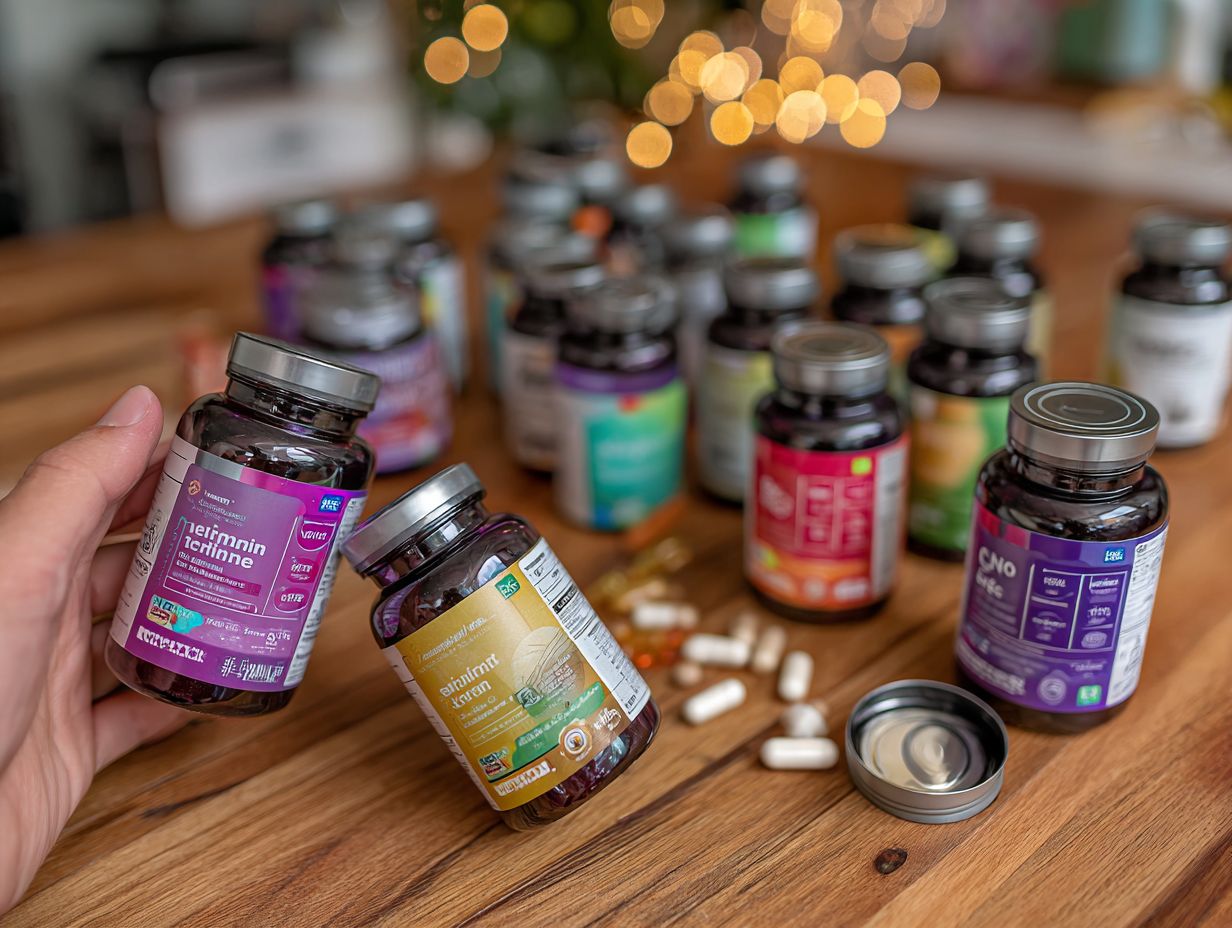
I often find that sugar-free labels can make something look like a healthier choice, but it’s really important for me to dig a little deeper into the sugar substitutes used and how they impact health.
In terms of popular sugar alternatives, I’ve come across erythritol and stevia. They both have their own set of benefits and potential side effects.
For instance, erythritol, which I’ve seen in products like SmartyPants vitamins, gives me that sweet taste with almost zero calories. However, I’ve learned that it can lead to some gastrointestinal discomfort for some people, especially if they go overboard.
Then there’s stevia, which comes from the leaves of the Stevia plant. It’s another zero-calorie option that might even offer some health perks, but I’ve heard some folks mentioning a bit of a bitter aftertaste.
Getting a grasp on these differences really helps me choose the right sugar substitutes for my dietary preferences, all while keeping my digestive comfort in mind.
Vegan Diet Certification
I always check for vegan certification on gummy labels to ensure they fit my plant-based diet and contain no animal-derived ingredients, which is important to me as an ethical consumer.
If I’m trying to verify a product’s vegan status, I look for certifications like the Vegan Action logo or the Certified Vegan logo. These symbols give me peace of mind that the product contains no animal ingredients and hasn’t been tested on animals.
I love brands like Yum-V’s, which offer a variety of certified vegan gummy vitamins and really emphasize their commitment to using ethically sourced ingredients. For instance, Yum-V’s uses fruit pectin instead of gelatin, so their gummies are totally suitable for vegans.
When I’m shopping, I always check the ingredient lists and packaging for those certifications. It’s my way of ensuring I’m making ethical choices.
Dye-Free and Allergy-Friendly Ingredients
When I see dye-free ingredients in gummies, it tells me I’m getting a cleaner product, free from those artificial colors that can really mess with health. I’ve learned to avoid common artificial dyes like Red 40, Yellow 5, and Blue 1 since they’re linked to allergies and hyperactivity in kids.
Instead, I try to choose brands that use natural colorings. For example, elderberry extract gives a lovely rich purple hue, and beet juice provides a vibrant red.
I really like brands like SmartyPants and YumEarth because they focus on natural ingredients, making sure their gummies are not just colorful but also healthier options. I always make it a point to check the labels to ensure there are no synthetic dyes and that they’re using wholesome coloring sources.
Health Considerations
When I’m picking out melatonin gummies, I find that understanding the health considerations and product labeling really makes a difference in how effective they are and how they impact my overall wellness.
Impact of Sugar Alternatives and Natural Sweeteners
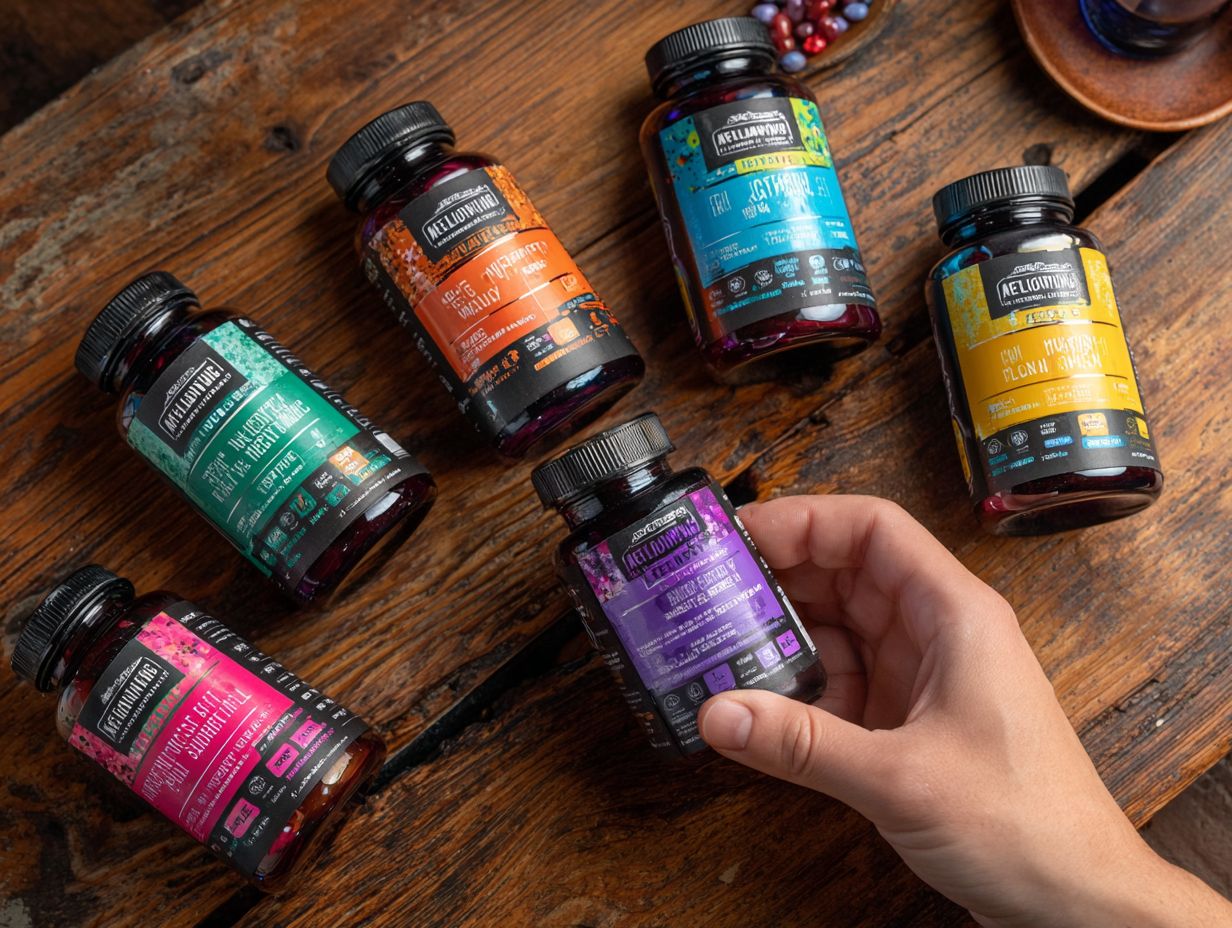
In terms of sugar alternatives in melatonin gummies, I realize they can really influence both taste and health outcomes. So, I always make sure to choose carefully based on my dietary needs.
For anyone managing diabetes or looking to shed some pounds, I’ve found that stevia and erythritol are fantastic substitutes.
- Stevia is a natural sweetener with zero calories, which means it can boost the gummy’s flavor without messing with blood sugar levels.
- Erythritol is another great option; it provides the sweetness and bulk I expect from sugar but only has about 6% of the calories.
On the flip side, I’ve learned that agave syrup, while trendy, is high in fructose and can lead to those pesky insulin spikes.
I always keep in mind to choose a substitute that fits my health goals and dietary restrictions, making sure I get the best taste and well-being from my gummies.
Vegan vs. Non-Vegan Ingredients
The choice between vegan and non-vegan melatonin gummies is something I’ve been thinking about lately, especially since it influences both my health and sustainable practices concerning the environment.
I’ve noticed that vegan melatonin gummies usually use pectin from fruits, which means I can enjoy a gelatin-free option. This is great for anyone like me who is looking for plant-based alternatives, and I’ve seen plenty of studies show that more people are leaning toward veganism for health and ethical reasons.
On the flip side, non-vegan gummies typically contain gelatin, which comes from animal products. I came across a 2022 survey that found over 40% of people prefer vegan products now. It’s clear that folks are becoming more aware of environmental issues and animal welfare, which is encouraging.
Brands like MaryRuth Organics and Naturals by Nature are totally capitalizing on this trend by offering only vegan gummies that really resonate with their audience. It’s nice to see companies stepping up to meet these changing preferences!
Choosing the Right Melatonin Gummy for Health Optimization
When I’m picking the right melatonin gummy, I take a close look at the supplement ingredients, certifications, and my own health needs to ensure I’m getting the best support for a good night’s sleep and optimizing my health benefits.
I usually start by comparing brands like Natrol and Olly. Natrol’s gummies often have extra ingredients like Chamomile and Lemon Balm, which are great for promoting relaxation. On the other hand, Olly is all about those blended flavors and natural colors, perfect for anyone who cares about taste.
I always check for NSF or Non-GMO certifications too, just to ensure I’m getting quality.
I also think about my dosage preferences; some gummies offer 3 mg per serving, while others give me 5 mg. I like to test out a few different brands to see which one really clicks with my body and fits my sleep patterns best.
Frequently Asked Questions
1. What does it mean when a melatonin gummy label says “sugar-free”?

When a melatonin gummy label says “sugar-free it means that the product does not contain any added sugars. However, it is important to check the ingredients list for any sugar substitutes or artificial sweeteners that may be used.
2. Are vegan melatonin gummies a better option for those following a plant-based diet?
Yes, vegan melatonin gummies are a great option for those following a plant-based diet. They are made without any animal products or by-products, making them suitable for vegans and vegetarians.
3. What does it mean when a melatonin gummy is labeled as “dye-free”?
A melatonin gummy labeled as “dye-free” means that it does not contain any artificial colors or dyes. This can be beneficial for those with sensitivities or allergies to certain dyes.
4. How can I tell if a melatonin gummy is vegan or not?
To determine if a melatonin gummy is vegan, check the ingredients list for any animal-derived ingredients such as gelatin, honey, or dairy products. If these ingredients are not listed, the gummy is most likely vegan.
5. Why should I pay attention to the ingredients in melatonin gummies?
It is important to pay attention to the ingredients in melatonin gummies and the transparency in labeling, especially if you have specific dietary restrictions or preferences. The ingredients, including potential food additives, can also affect the overall effectiveness and nutritional value of the gummies.
6. Are there any potential health risks and side effects of consuming sugar-free, vegan, or dye-free melatonin gummies as part of a holistic health routine?
While these types of melatonin gummies are generally considered safe, it is important to consult with a healthcare professional before use to understand possible health implications. Some individuals may experience side effects such as drowsiness, headaches, or nausea. It is important to follow the recommended intake and melatonin dosage and not exceed it, as mindful consumption complements lifestyle choices for optimal sleep cycle and energy balance.